
Sign up to receive quotes
What Is Virtual Reality (VR) Technology? Exploring Its Future Application Potential


Virtual Reality (VR) technology is no longer unfamiliar in developed countries around the world. In recent years, VR has attracted significant attention from domestic businesses and has been applied across various fields and industries. What has made virtual reality so popular and increasingly chosen by companies?
In this technology exploration series, VR360 brings you useful insights into virtual reality technology, along with the remarkable applications that VR can offer.
.jpg)
1. What is VR technology?
Virtual Reality (VR) technology is a computer-based system that simulates 3D designs to create a “real-like” world. It allows users to feel, interact with, and explore a virtual environment through devices such as headsets, headphones, and VR glasses. A person using VR equipment can look around an artificial world, move within it, and interact with objects and elements in the space. The effects are typically delivered through VR headsets with small screens placed in front of the eyes, but they can also be created using specially designed rooms equipped with large screens.
The concept of virtual reality has been mentioned for many decades. One of the most notable milestones was in 1962, when Morton Heilig invented the SENSORAMA simulator—a device designed for user immersion that included a stereoscopic display, fans, scent generators, speakers, and a motion-enabled seat. This device delivered highly immersive experiences by allowing objects to move within a simulated world. Morton Heilig later also invented a head-mounted “television display” that enabled users to watch 3D films. Although these inventions were intended for cinema, they became important foundations for the development of VR later on.
Learn more about the history of virtual reality and key milestones here.
.jpg)
Read more:
- Exploring Mixed Reality (MR) Technology – Its Potential Applications Across Multiple Industries
- Virtual Supermarket Business Trends and Digital Transformation in the Retail Industry
2. How is VR different from AR?
Many people often confuse VR and AR because both are immersive technologies. However, AR is more accurately defined as Augmented Reality, a technology that combines the real world with virtual information. These two technologies coexist and complement each other. To distinguish between them, it is important to understand how they work and the key differences outlined below.
| Virtual Reality | Augmented Reality | |
| Definition | A technology that recreates and simulates the real world, placing users at the center of the experience through interaction within a three-dimensional (3D) environment. | A technology that generates digital content and overlays it directly onto the real world, allowing virtual elements to be viewed and interacted with within a physical environment. |
| How it works |
VR technology immerses users in a virtual world composed entirely of digitally rendered visuals, allowing them to interact with objects and environments within that space. In VR, the experience is approximately 75% virtual and 25% connected to the physical world. |
AR technology places virtual objects or digital structures into the real-world environment, creating a blended experience that combines physical and virtual elements. In AR, approximately 75% of the experience is based on the real world, while 25% consists of virtual enhancements. |
| Supporting devices | VR requires specialized equipment such as VR headsets, handheld controllers, and immersive head-mounted devices to enable users to interact with the virtual environment. | Through devices such as laptops, smartphones, and tablets, AR enables digital images and graphics to interact seamlessly with the real world, enhancing how users perceive and engage with their surroundings. |
| Applications | Widely applied across various fields, including technology, education, training, and entertainment. | Widely used in industries such as tourism, design, art, retail, and shopping. |
3. Devies that support VR
To fully experience the immersive and realistic environments created by virtual reality technology, users need specialized hardware, the most common of which is the VR headset. These headsets cover the user's field of vision and project a virtual layer of digital content directly in front of the eyes.
Depending on the model and its features, VR headsets can interact with users in various ways, allowing them to control and navigate virtual environments through natural body movements such as walking, grabbing, looking around, nodding, and other gestures. Visual content, videos, and interactive experiences are rendered with a high level of realism, combining detailed graphics, spatial audio, and a strong sense of presence.
When using VR, users can feel as though they are truly immersed in different environments, participating in exciting adventures, exploring virtual worlds, and interacting with characters and objects in a highly engaging and lifelike manner.
.jpg)
Some of the most widely recognized VR headsets available today include Google Cardboard, Samsung Gear VR, Lenovo VR, and, most notably, Oculus Rift. Depending on the level of quality, performance, and accompanying features, VR headset prices range from affordable entry-level options to more advanced premium devices, allowing users to choose a solution that best suits their needs and budget.
>>> Learn more about Virtual Tour services at: VR360 Virtual Tour – Web 360 – 360 Tour – Virtual Interactive Model.
4. Applications of VR
4.1. Applications in VR entertainment
Virtual Reality (VR) technology is best known for its applications in the entertainment industry, particularly in the development of immersive VR games. The technology enables the creation of virtual worlds in which users can fully immerse themselves, interact with digital environments, and engage with virtual characters or creatures, delivering unique and highly engaging experiences.
This level of immersion is one of the greatest advantages of VR gaming. By creating a realistic sense of presence, everything that occurs within the virtual environment can have a powerful impact on the player's perception and emotions.
Beyond gaming, VR is increasingly being adopted across a wide range of entertainment sectors, including film, sports, and the arts. In VR-enabled films, viewers wear VR headsets to follow characters and experience the storyline from within the virtual environment. Rather than simply watching a screen, audiences feel as though they are physically present inside the film, with the ability to look around and explore the scene from different perspectives.
One notable example is Jesus VR: The Story of Christ, a 40-minute film that gained significant attention as one of the first feature-length productions presented in a virtual reality format. The film received positive feedback and strong audience engagement, highlighting the potential of VR as a new medium for cinematic storytelling.
4.2. VR applications in Digital Tourism
The race to integrate Virtual Reality technology into the tourism industry continues to accelerate, particularly during the economic recovery period following the COVID-19 pandemic. Tourism organizations and businesses are increasingly leveraging VR to gain a competitive advantage, expand customer reach, and strengthen engagement with potential travelers.
VR technology enables the creation of immersive virtual tours that accurately recreate natural wonders, cultural landmarks, and tourist attractions with remarkable realism. These experiences allow destinations to showcase their unique features in an engaging and authentic manner, giving prospective visitors the opportunity to explore locations remotely before making travel decisions.
By providing realistic previews of destinations and attractions, VR has become a powerful tool for tourism promotion, helping organizations enhance visitor interest, improve accessibility, and create more meaningful connections with audiences worldwide.

VR technology offers entirely new ways to experience travel, allowing visitors to explore destinations without physically being there while still creating memorable and meaningful impressions of those locations.
To enhance immersion, virtual reality experiences can incorporate a variety of sensory elements such as wind, water effects, dynamic lighting, vibration, and spatial audio. These features help evoke stronger emotional responses and create a more engaging and realistic experience for users.
In addition, Virtual Reality platforms can integrate supplementary information, interactive content, and virtual tour guides that provide explanations and contextual insights throughout the journey. As a result, the sightseeing and travel experience becomes more accessible, informative, and enjoyable for visitors.
4.3. VR applications in real estate
Real estate is one of the industries that can significantly benefit from the adoption of Virtual Reality (VR) technology in business operations. By leveraging VR, property viewing experiences can be transformed into highly immersive and realistic interactions, enabling potential buyers to explore properties more effectively than through traditional photos or videos.
With just a few simple actions, users can navigate through a property and move freely to any area they wish to inspect, creating a realistic sense of presence and spatial awareness. Prospective buyers can view an entire project or property from multiple angles and perspectives, gaining a comprehensive understanding of the layout, design, and overall environment.
As a result, customers are able to make more informed decisions, while sales representatives can provide more effective consultations and recommendations tailored to individual needs. This not only increases the likelihood of successful transactions but can also shorten the sales cycle and accelerate deal closures.

3.4. VR applications in retail stores and showroom
E-commerce is widely regarded as one of the most promising industries in the era of Industry 4.0. As online shopping continues to grow in popularity, concerns regarding product authenticity, purchasing confidence, and overall shopping experience have also become more significant. Since customers cannot physically inspect products, discrepancies between online images and actual products often lead to dissatisfaction and reduced trust.
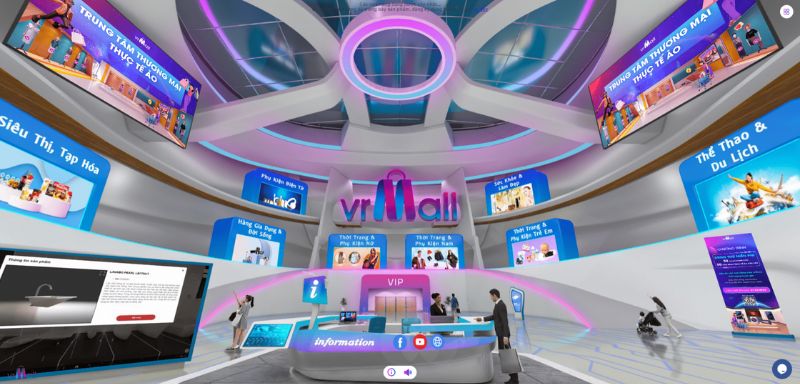
By integrating Virtual Reality (VR) technology into retail stores and showrooms, businesses can provide customers with an immersive shopping experience that closely resembles visiting a physical shopping mall. Users can freely explore virtual stores, examine products from different angles, and view items in a highly realistic environment. In addition, products can be enriched with detailed descriptions, specifications, and interactive information, enabling customers to make informed purchasing decisions without requiring assistance from sales staff.
vrMall—the first virtual reality shopping mall in Vietnam—goes beyond the concept of a traditional e-commerce platform or physical showroom. It combines the immersive experience of a virtual shopping center with the convenience of an online retail environment. Through vrMall, individuals and business owners can easily establish virtual stores and customize product displays according to their preferences.
Furthermore, vrMall can be replicated and adapted to create virtual trade fairs and exhibition spaces, making it an effective solution for organizations and event planners seeking innovative ways to host exhibitions, product showcases, and large-scale commercial events in a digital environment.
The applications of Virtual Reality (VR) technology are rapidly expanding across a wide range of industries, delivering significant benefits and transformative opportunities. Many industry experts believe that VR will become a strategic tool for businesses seeking to enhance customer engagement, optimize operations, and strengthen their competitive advantage in the digital era.
Through the insights shared by VR360, we hope you have gained a deeper understanding of Virtual Reality technology and its vast potential for future applications. Stay connected with us to explore more emerging technologies and discover the latest innovations in our upcoming technology series.
This article was originally published in 2022 and was reviewed, updated, and revised in 2023 to ensure the accuracy, completeness, and relevance of its content.
Related Articles:
What Is AR Technology? A Comparison Between Augmented Reality (AR) and Virtual Reality (VR)
VR360 – A Comprehensive Digital Transformation Solution for Educational Institutions
LIÊN HỆ HỢP TÁC CÙNG VR360
VR360 – ĐỔI MỚI ĐỂ KHÁC BIỆT
- Fb: https://www.facebook.com/vr360vnvirtualtour/
- Hotline: 0935 690 369
- Email: infor@vr360.com.vn
- Địa chỉ:
- 123 Phạm Huy Thông, Sơn Trà, Đà Nẵng
- Toà nhà Citilight, số 45 Võ Thị Sáu, Đakao, Quận 1, TP Hồ Chí Minh
- 3B Đặng Thái Thân, Phan Chu Trinh, Hoàn Kiếm, Hà Nội

Articles on the same topic
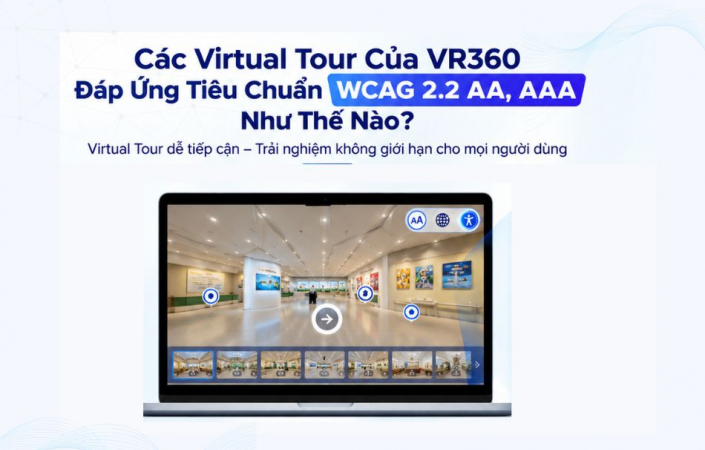
Các Virtual tour của VR360 đáp ứng tiêu chuẩn WCAG 2.2 A, AA, AAA như thế nào?
 04/09/2026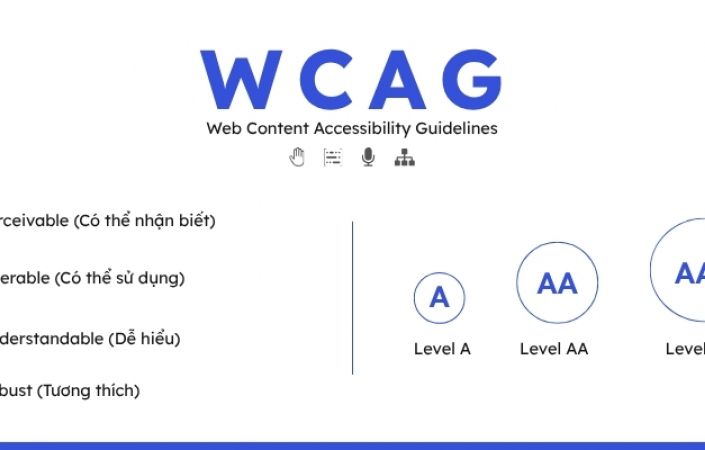
Tiêu chuẩn WCAG là gì? Tìm hiểu các phiên bản và mức độ AA, AAA
03/09/2026 
Case study: Bản đồ số du lịch thông minh TP. Đà Nẵng
24/08/2026 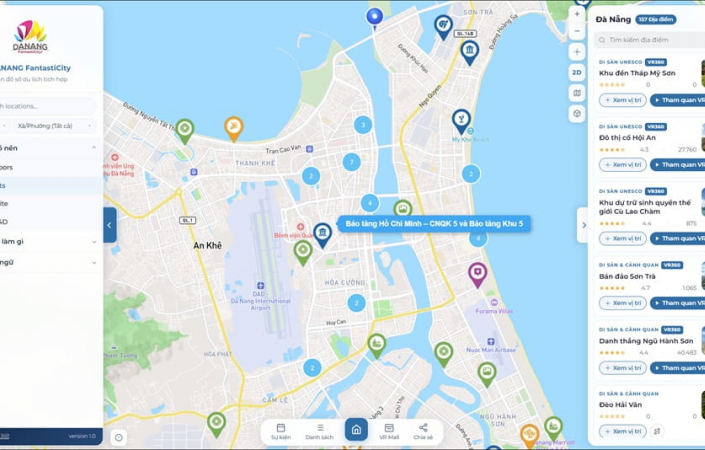
25+ Tính năng nổi bật trong bản đồ số du lịch Đà Nẵng
13/08/2026 
Bản đồ số du lịch Đà Nẵng: Góc nhìn từ công tác quản lý
06/08/2026 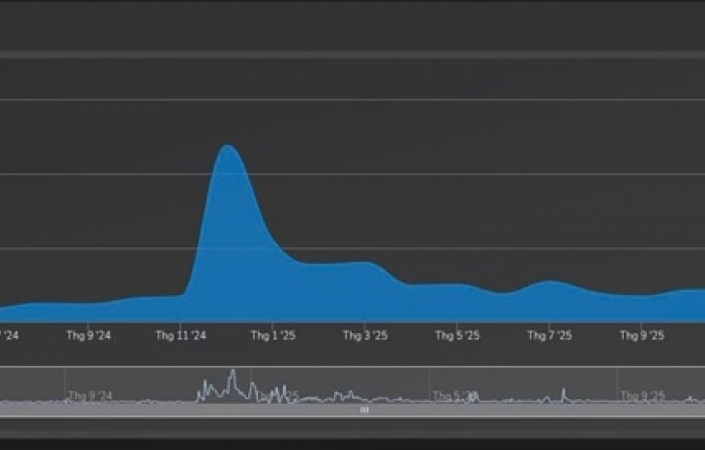
Bản đồ số địa chỉ đỏ Hà Nội sau 2 năm nhìn lại: Những con số biết nói
20/07/2026 
Góc nhìn: Quy chế chuyển đổi số xã phường hiện nay
14/07/2026 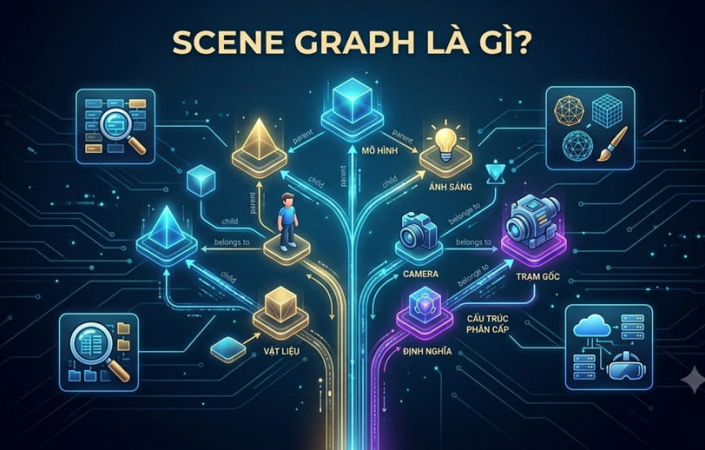
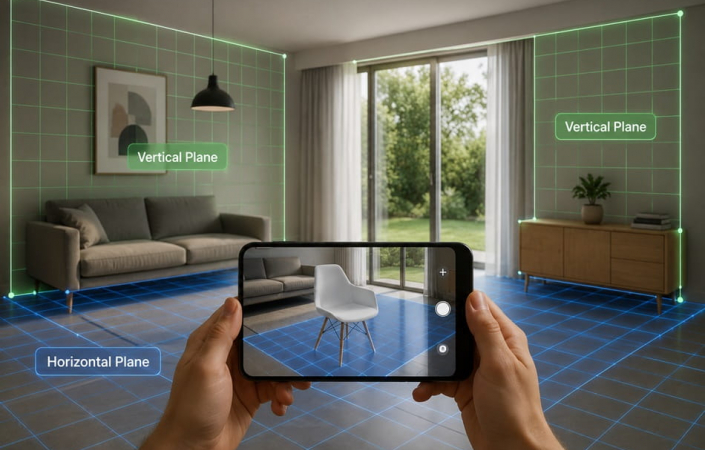
Plane Detection: Công nghệ nhận diện mặt phẳng trong AR
29/06/2026 Typical customers































































Sign up to receive information from VR360
Business License Registration Address: 63 Phan Dang Luu, Hoa Cuong Nam Ward, Hai Chau District, Da Nang City, Vietnam