
Sign up to receive quotes
What is AR technology? Comparing AR and VR

Table of content

Augmented Reality (AR) technology was first successfully demonstrated by renowned filmmaker Morton Heilig in 1957. He developed the Sensorama, a pioneering device that allowed users to experience a combination of visual, audio, and sensory effects, including scent. However, the formal concept of Augmented Reality was not defined until 1990, when the term was coined by Thomas P. Caudell, a researcher at Boeing.
In this edition of our technology exploration series, VR360 will help you better understand what AR technology is and how it differs from Virtual Reality (VR), enabling you to distinguish between these two transformative immersive technologies.
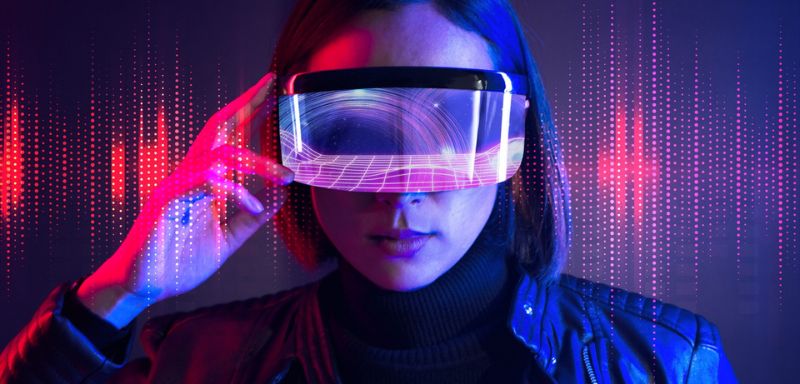
1. What is AR technology?
Augmented Reality (AR) is an emerging technology built upon advancements in immersive digital experiences. Unlike traditional virtual environments, AR enhances the user's perception of the real world by overlaying digital content onto their physical surroundings through smartphones, computers, tablets, or other electronic devices.
A well-known example of AR in action is Pokémon GO. While playing the game, users can view and interact with virtual Pokémon characters that appear within their real-world environment. The surrounding scene is captured by the device's camera, while digital elements such as Pokémon and other virtual objects are seamlessly integrated into the live view. This combination of real-world imagery and computer-generated content is what defines Augmented Reality.
Rather than isolating users within a fully virtual environment—as is the case with Virtual Reality (VR)—AR focuses on blending digital information with the physical world. Through AR technology, real-world objects and environments can be enhanced with interactive 3D models, animations, and contextual information displayed on computer screens or mobile devices.
To create a more immersive and engaging experience, AR applications often incorporate additional multimedia elements such as audio, images, videos, and interactive visual effects. As a result, users can continue to interact with their physical surroundings while simultaneously accessing and engaging with digitally enhanced content.
You may also be interested in: What Is Virtual Reality (VR)? How Does It Differ from AR, and What Are Its Future Applications?

2. Applications of AR technology
Augmented Reality (AR) first gained public attention through its applications in the film and entertainment industry. Today, however, the technology has expanded far beyond entertainment and is being widely adopted across various aspects of everyday life.
AR is now being used to enhance education and training, improve learning experiences, and support business operations across numerous industries. By seamlessly integrating digital information into the physical world, AR enables organizations to create more engaging, interactive, and effective experiences for users, customers, and employees alike.
The growing adoption of AR demonstrates its significant potential to drive innovation and create transformative opportunities across different sectors. As a result, many businesses are actively incorporating Augmented Reality into their operational processes, customer engagement strategies, and digital transformation initiatives to gain a competitive advantage and unlock new growth opportunities.
2.1. Education and Training
The integration of Augmented Reality (AR) into education has created a significant breakthrough in teaching and learning, transforming traditional instructional methods and enhancing the overall quality of education. By incorporating AR technology into the classroom, educators can develop more practice-oriented learning experiences, enabling students to engage with concepts in a more interactive and realistic manner rather than relying solely on theoretical instruction.
AR helps create a more dynamic and engaging learning environment by increasing student participation and interaction. Through immersive visualizations and real-time experiences, students can observe, explore, and interact with digital content within their physical surroundings, making complex subjects easier to understand and retain.
In addition, Augmented Reality is particularly effective in disciplines that require a high degree of visualization and hands-on experience, such as geography, history, engineering, and medicine. For example, medical students may find it difficult to fully comprehend surgical procedures through textbooks alone. With AR, they can interact with detailed three-dimensional anatomical models and simulate clinical procedures in a safe and controlled environment before engaging in real-world practice.
You may also be interested in: How Promising Are Digital Transformation Solutions in Education?
VR360 Virtual Tour technology, with its fully immersive 360-degree environment, delivers highly realistic experiences through smart devices. The virtual environment is digitally recreated to simulate real-world spaces, where visual elements and interactive mechanisms engage users' senses directly. Users can navigate naturally by moving forward, backward, turning left, or turning right, creating an engaging and immersive exploration experience.
In the education sector, Virtual Reality for Schools enables the creation of a digital replica of the school environment, ranging from the overall campus layout to detailed elements such as classrooms, landscapes, facilities, and outdoor spaces. This allows students, parents, and stakeholders to explore the institution remotely in an intuitive and interactive manner.
CREATE A VIRTUAL TOUR FOR YOUR ORGANIZATION
REQUEST A CONSULTATION
Augmented Reality (AR) technology is widely recognized among younger audiences through its applications in gaming and interactive entertainment. By combining real-world imagery with digitally generated content, AR adds a unique layer of immersion to mobile games, creating more engaging and interactive experiences.
For example, players can use their smartphones to view virtual objects, such as characters, monsters, or collectible items, seamlessly integrated into their real-world surroundings. This fusion of physical and digital environments enhances gameplay and encourages deeper user engagement.
Beyond gaming, AR has become an important technology in the film and entertainment industry, enriching the way audiences experience movies, live events, and promotional campaigns. Users can access AR content through mobile applications or AR-enabled glasses, allowing virtual elements to appear within their field of view in real time.
For instance, during a movie launch campaign, users may scan a QR code using their smartphone and instantly see their favorite characters appear on-screen as interactive three-dimensional content. Such experiences create stronger audience engagement, enhance brand interaction, and provide a more memorable entertainment experience.
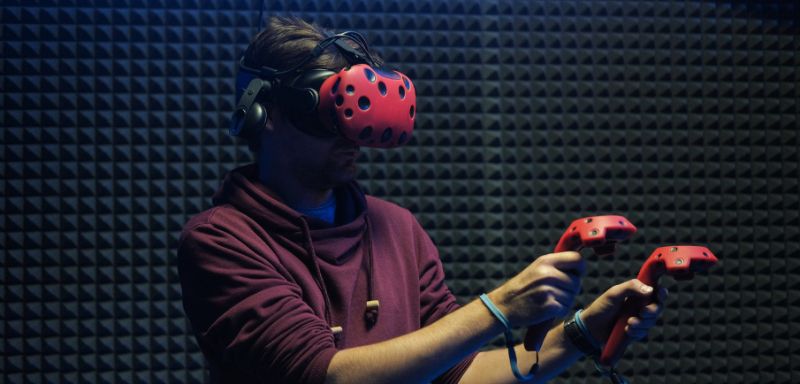
The first AR-powered games introduced a new way for players to experience the real world as part of the gameplay. By combining Augmented Reality technology with GPS-based location services, these games connected players with virtual characters and game elements in real-world environments. This innovative approach created a more engaging and immersive gaming experience, attracting players to entirely new forms of interactive entertainment.
Unlike Virtual Reality games, which often require specialized hardware and dedicated environments, Augmented Reality games can be accessed anytime and anywhere through smartphones and other smart devices, making them more convenient and widely available to users.
2.3. Retail Industry
AR provides customers with the ability to visualize products in a highly detailed and interactive manner through mobile applications. Using smartphones or tablets, consumers can explore three-dimensional product models, examine colors and design variations, and access detailed product specifications and information before making a purchase.
In addition, AR creates innovative and engaging shopping experiences by allowing customers to interact with products as though they were physically present in a retail store. For example, shoppers can view product details, pricing information, customer reviews, and even complete purchases directly from their mobile devices.
AR also enhances product consultation and evaluation processes. Sales representatives can leverage AR applications to demonstrate product features, explain functionality, and highlight key benefits through interactive visualizations. At the same time, customers can access user reviews, compare options, and evaluate products more effectively through their mobile applications, enabling more informed purchasing decisions and improving overall customer confidence.
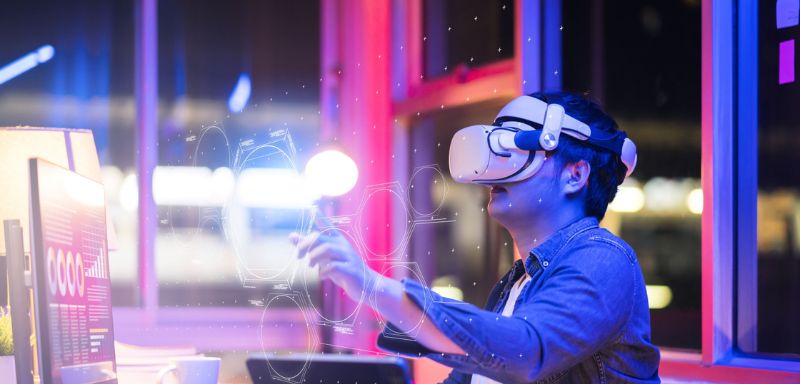
AR applications provide customers with the most realistic product experience possible, offering a comprehensive view of the items they are considering purchasing. This not only enhances the shopping experience but also reflects a company's commitment to delivering transparency and customer-centric solutions throughout the sales process.
In the furniture and home décor sector, for example, AR enables consumers to visualize, evaluate, and arrange products within their own living spaces before making a purchase. The ability to see how a piece of furniture fits in terms of size, style, and placement is a highly valued feature that helps customers make faster and more confident purchasing decisions.
Overall, Augmented Reality (AR) empowers businesses to engage more effectively with consumers by enhancing communication, improving product discovery, and supporting purchasing decisions for goods and services. As AR technology continues to evolve and mature, its potential applications and business value are expected to expand significantly. When implemented strategically, AR can deliver even greater benefits, helping organizations create more immersive customer experiences, strengthen brand engagement, and drive long-term growth.
2.4. Media and Communications
Augmented Reality (AR) technology provides powerful opportunities for delivering creative content and engaging storytelling within the media and communications industry. By integrating virtual elements such as graphics, images, animations, and videos directly into media experiences, AR enables audiences to interact with content in ways that are both immersive and memorable.
This interactive capability helps create compelling user experiences that capture audience attention more effectively than traditional media formats. Through smartphones, tablets, or AR-enabled devices, consumers can engage directly with advertisements and branded content, increasing both purchase intent and advertising recall.
AR also encourages active audience participation across a wide range of media activities and campaigns. Viewers can interact with virtual content during live events, marketing activations, or through dedicated mobile applications, transforming passive consumption into active engagement.
For example, during a live concert, attendees can use an AR application to access virtual special effects, view exclusive digital content, or connect directly with social media channels associated with the event. Such experiences not only enhance audience engagement but also strengthen the connection between brands, content creators, and their audiences.
As media consumption becomes increasingly interactive and personalized, AR is emerging as a valuable technology for creating richer communication experiences, improving audience engagement, and delivering more impactful marketing and media campaigns.
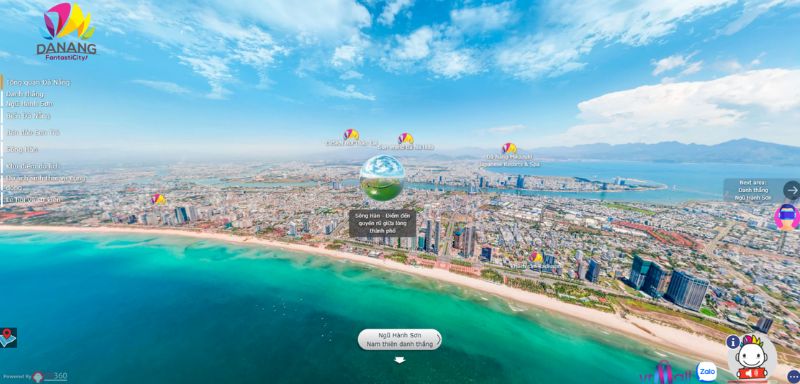
Overall, Augmented Reality (AR) helps businesses enhance the consumer experience through more engaging communication strategies while directly influencing purchasing decisions for products and services. As AR technology continues to evolve, its potential applications and business value are expected to grow significantly. With ongoing technological advancements, it is clear that when implemented effectively as part of a company's marketing strategy, AR can deliver even greater benefits in the years ahead.
You may also be interested in: Exploring Mixed Reality (MR): Potential Applications Across Multiple Industries.
2.5. Healthcare
The application of Augmented Reality (AR) in healthcare represents a significant technological advancement that has required extensive research and development. AR technology can support surgical procedures by providing physicians with critical information and real-time visual guidance throughout the operation.
By leveraging advanced tracking and visualization capabilities, AR enables surgeons to access detailed patient information, medical imaging data, and remote expert guidance directly within their field of view. This enhances situational awareness, improves surgical precision, and contributes to greater efficiency during complex medical procedures.
AR can also be used to display a wide range of clinical information, including vascular structures, physiological measurements, diagnostic data, and comprehensive patient medical records. By presenting this information in an intuitive and context-aware manner, healthcare professionals can make more informed decisions while minimizing disruptions to their workflow.
In addition, AR serves as a valuable tool for patient education and engagement. Through interactive visualizations, patients can better understand their medical conditions, treatment plans, medication instructions, care schedules, and other health-related information. Presenting complex medical concepts in a clear and accessible format helps improve patient comprehension, adherence to treatment, and overall healthcare outcomes.

2.6. Real Estate
One of the most popular applications of AR/VR technology in real estate is the creation of a 360° Virtual Site Model. This is a highly promising technology solution that uses virtual reality to recreate products from a 3D perspective. Viewers can see the entire space of the project or product they're interested in from every angle and viewpoint. With just a few simple actions, customers can move to any position they wish to observe, delivering the most realistic look and feel. As a result, prospective buyers gain a more comprehensive overview, while sales staff can more easily analyze and advise customers on suitable properties — increasing deal success rates and shortening the sales closing cycle.
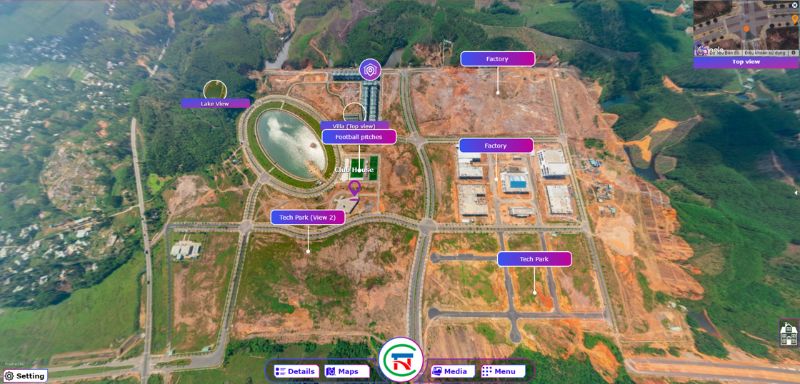
More than simply serving as a product presentation tool, the 360° Virtual Interactive Model offers significant potential for application within the real estate industry. Its key advantage lies in its ability to provide a broader and more comprehensive view of the area that a developer or organization wishes to showcase. This enables stakeholders to gain deeper insights into the spatial context, surrounding environment, and overall setting of a real estate project, facilitating better understanding and more informed decision-making.
3. Differences between AR and VR
Many people often confuse Augmented Reality (AR) with Virtual Reality (VR) because both are immersive technologies that enhance digital experiences. However, AR is more accurately defined as a technology that combines the physical world with digital content, overlaying virtual elements onto a user's real-world environment.
To better understand the differences between AR and VR, it is important to examine their underlying operating principles and the key characteristics outlined by VR360 below.
| AR | VR | |
| Định nghĩa | Virtual Reality (VR) is a technology that simulates the real world by placing users at the center of an immersive experience, allowing them to interact with a fully three-dimensional digital environment. | It is a technology that creates digital content and virtual objects that can be seamlessly displayed and integrated into the real-world environment. |
| Các hoạt động |
VR technology immerses users in a virtual world composed entirely of digitally rendered content, enabling them to interact with virtual objects and environments in real time. In a VR experience, approximately 75% of the environment is virtualized, while 25% is derived from real-world elements. |
AR technology overlays virtual objects and digital content onto the real-world environment, creating a blended experience that combines both physical and virtual elements. In an AR experience, approximately 75% of the environment remains real-world, while 25% consists of digitally generated content. |
| Mục đích | VR requires specialized hardware—such as VR headsets, handheld controllers, and immersive wearable devices—to enable users to interact with and navigate the virtual environment. | Through devices such as laptops, smartphones, and tablets, AR technology enables digital images, graphics, and virtual content to interact seamlessly with the real world, enhancing the way users perceive and engage with their surroundings. |
| Ứng dụng | Widely applied across various sectors, including museums, events, gaming, and other interactive digital experiences. | Widely applied across various industries, including tourism, design, art, retail, and shopping experiences, among others. |
Digital transformation across all industries should be approached as a long-term strategic initiative. In this context, Augmented Reality (AR) has emerged as a valuable technology that enables businesses to enhance customer experiences and create more engaging interactions with their audiences.
As AR technology continues to evolve, its adoption is expected to become increasingly widespread, driving positive changes across various sectors and unlocking new opportunities for innovation. Through the insights shared by VR360—including what AR technology is and the benefits it offers—we hope you have gained a deeper understanding of its capabilities and potential impact.
Stay connected with us for more technology insights and upcoming editions of our technology exploration series, where we continue to uncover the latest digital innovations shaping the future.
This article was originally published in 2022 and was reviewed, updated, and revised in 2023 to ensure the accuracy, completeness, and relevance of its content.
Related Articles:
- Experience Virtual Tourism Through the VR360 Application
- How Does Virtual Reality (VR) Differ from Augmented Reality (AR)? Applications and Future Potential of VR
- Applications in Smart Factory Models
LIÊN HỆ HỢP TÁC CÙNG VR360
VR360 – ĐỔI MỚI ĐỂ KHÁC BIỆT
- Fb: https://www.facebook.com/vr360vnvirtualtour/
- Hotline: 0935 690 369
- Email: infor@vr360.com.vn
- Địa chỉ:
- 123 Phạm Huy Thông, Sơn Trà, Đà Nẵng
- Toà nhà Citilight, số 45 Võ Thị Sáu, Đakao, Quận 1, TP Hồ Chí Minh
- 3B Đặng Thái Thân, Phan Chu Trinh, Hoàn Kiếm, Hà Nội

Articles on the same topic
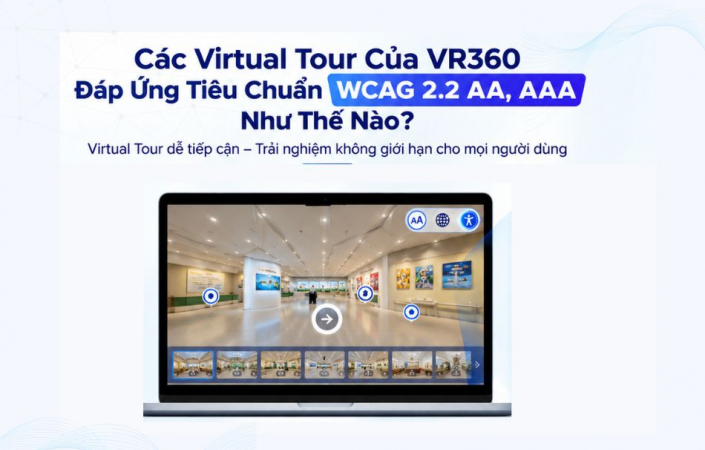
Các Virtual tour của VR360 đáp ứng tiêu chuẩn WCAG 2.2 A, AA, AAA như thế nào?
 04/09/2026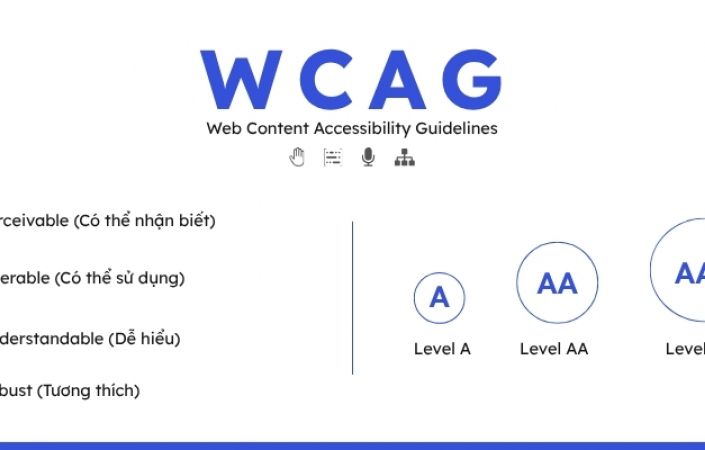
Tiêu chuẩn WCAG là gì? Tìm hiểu các phiên bản và mức độ AA, AAA
03/09/2026 
Case study: Bản đồ số du lịch thông minh TP. Đà Nẵng
24/08/2026 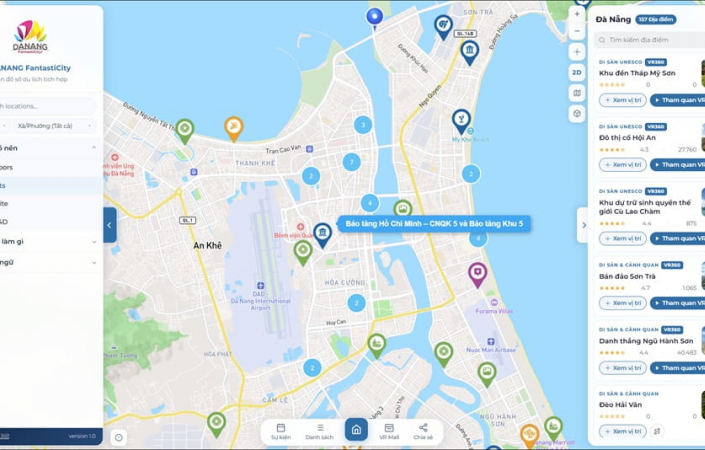
25+ Tính năng nổi bật trong bản đồ số du lịch Đà Nẵng
13/08/2026 
Bản đồ số du lịch Đà Nẵng: Góc nhìn từ công tác quản lý
06/08/2026 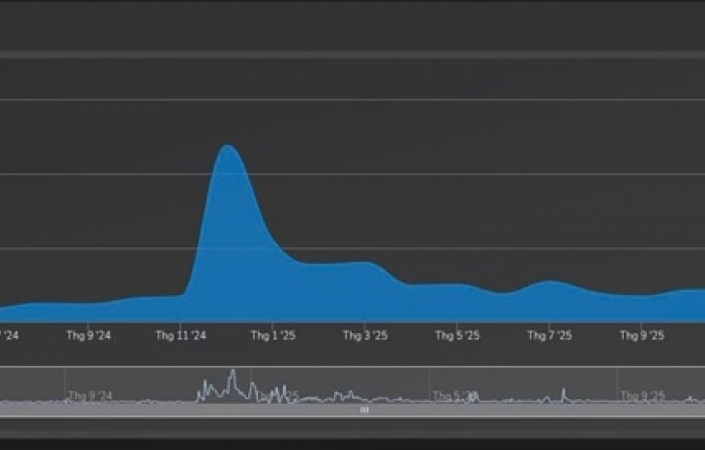
Bản đồ số địa chỉ đỏ Hà Nội sau 2 năm nhìn lại: Những con số biết nói
20/07/2026 
Góc nhìn: Quy chế chuyển đổi số xã phường hiện nay
14/07/2026 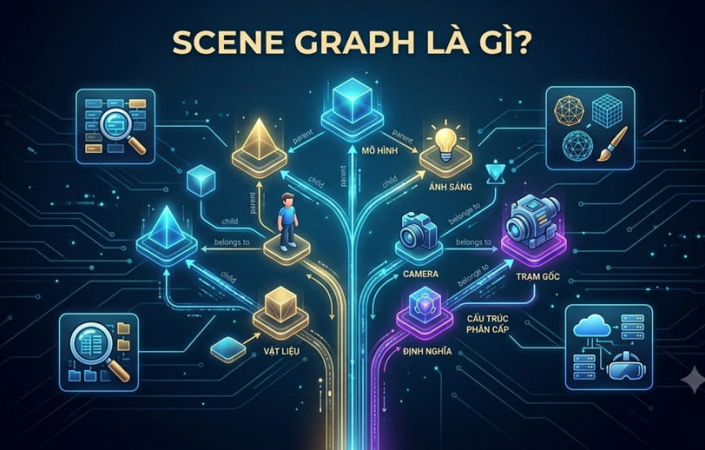
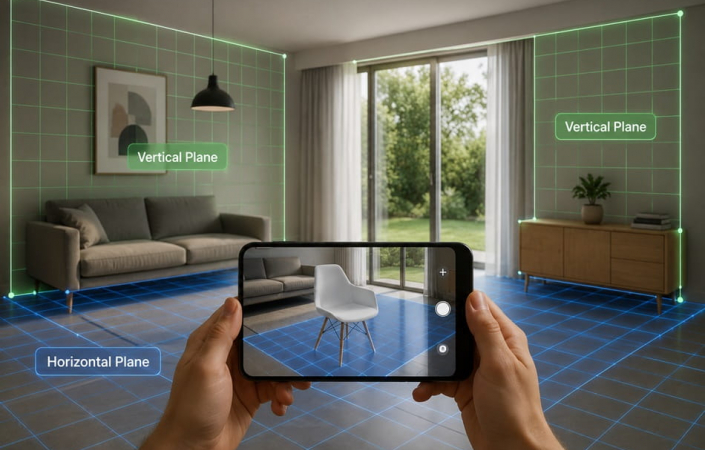
Plane Detection: Công nghệ nhận diện mặt phẳng trong AR
29/06/2026 Typical customers































































Sign up to receive information from VR360
Business License Registration Address: 63 Phan Dang Luu, Hoa Cuong Nam Ward, Hai Chau District, Da Nang City, Vietnam